
Kitchen Cabinet Quote Comparison
Compare Prince Frederick kitchen cabinet proposals with a traceable product list, appliance inputs, explicit alternatives and controlled quote revisions.
Bring your project details together before considering a cabinet purchase.
Send my cabinet inquiry
Or call (562) 203-3232. Calls only, we do not receive text messages.
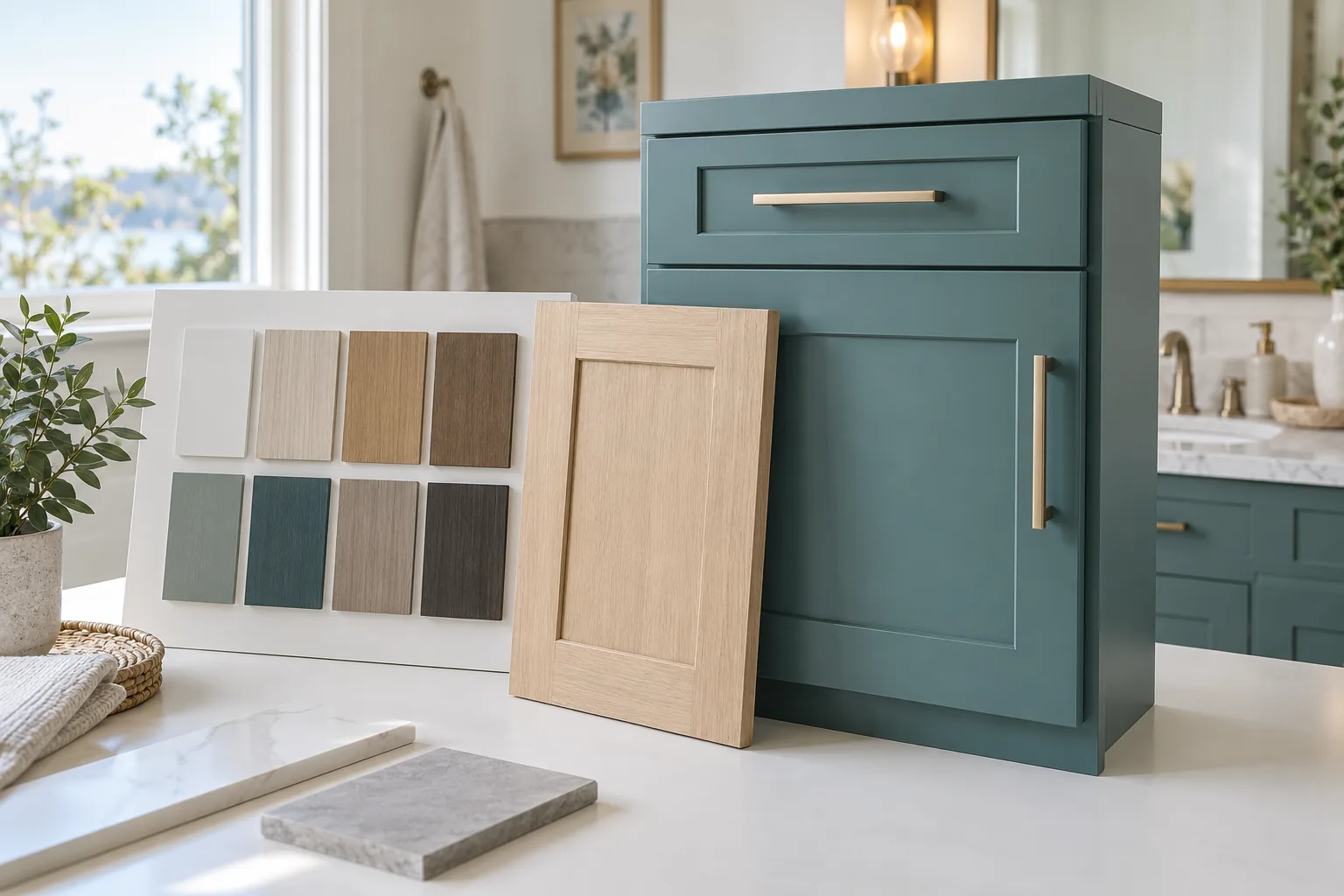
Cabinet buying questions do not all need the same starting document. A Prince Frederick buyer comparing products needs a schedule; a buyer changing the room needs checked inputs for the arrangement. Calvert Cabinet Field organizes six independent purchasing topics so you can choose the question that matches your current decision and avoid asking a product total to resolve an unfinished layout.
The topics describe information you can prepare, not trades performed by this site. Form submissions record your details for the site owner to review, with no automatic seller forwarding and no guaranteed response. Start with the decision below that is preventing progress, then connect related questions to the same current project record.
About Calvert Cabinet Field
Independent cabinet buying information and quote-request service. We do not manufacture, stock or install cabinets. A referral, supplier response, appointment or purchase is not guaranteed. Product availability, delivery and installation must be confirmed directly with the seller or separately engaged contractor.
Every service
Compare Prince Frederick kitchen cabinet proposals with a traceable product list, appliance inputs, explicit alternatives and controlled quote revisions.
Organize Prince Frederick cabinet layout inputs with a room sketch, assumption list, retained appliance details and controlled alternatives.
Compare Prince Frederick RTA and assembled cabinet options using named products, assembly instructions, package information and complete responsibility.
Prepare a Prince Frederick vanity comparison with explicit cabinet, top and sink components, retained-piece questions and room-specific fit review.
Prepare a Prince Frederick cabinet package with room-type takeoffs, quantity checks, approval roles, purchasing releases and actual seller terms.
Plan Prince Frederick cabinet receipt with an order-linked package list, named receiver, specific handoff and actual seller discrepancy instructions.
The kitchen quote guide helps you compare proposed goods against a unit list. Record cabinet types, quantities, dimensions, configurations and finish, with panels, fillers and accessories separately visible. A seller should be able to identify what you want priced and what remains provisional.
This topic fits a buyer who can describe the intended arrangement but needs to understand why proposals differ. One offer may include more drawers or a finished end panel; another may use a different line. Identify those differences before deciding that a lower total is a lower price for the same purchase.
A hypothetical buyer may have selected a pantry arrangement and want two alternatives: a specified internal accessory and the same unit without it. Keep the basic schedule stable and label the accessory alternative. The question is then concrete enough to compare. If the pantry location itself is unresolved, return to layout inputs first; assigning a product code cannot approve the unit's fit in the actual room.
The layout preparation guide helps you assemble room measurements, openings, retained appliance information and observed constraints. Show which inputs have been checked and who supplied them. A preferred arrangement and a measured condition belong in different parts of the record.
The IKEA US planning guide asks buyers to bring room measurements and retained appliance dimensions. Apply that recommendation before asking someone to evaluate a change. This site does not provide field measurement or certify a layout; final verification needs an explicitly assigned party under your actual arrangements.
Imagine a hypothetical buyer wanting an island while retaining the existing sink and appliances. The useful first question concerns whether the proposed arrangement can work with the checked room and product information. It is premature to treat a photographed island as an order specification. Record storage goals, known dimensions and unresolved opening relationships, then ask the responsible reviewer to explain feasible alternatives. Once the arrangement becomes an identified unit schedule, product comparison can follow.

The vanity quote guide begins with what the proposed purchase includes. Identify cabinet, top, sink and hardware as distinct components unless the actual offer combines them. State what remains from the existing bathroom and what you intend to replace.
The Home Depot measurement guide in the source bank identifies actual space, door swing and plumbing positions as fit considerations. Those subjects help you prepare room questions; they do not establish a universal clearance or a code conclusion. Ask the responsible professional to review the selected products against actual conditions.
A hypothetical buyer may like the same finish for a kitchen and bathroom while needing very different product information for each. The kitchen schedule might require pantry accessories; the vanity might depend on a retained top and plumbing arrangement. Keep separate lists and connected preferences. Combining the project message is useful only if it does not hide those different requirements or imply that one product proposal includes all associated plumbing and installation work.
The RTA versus assembled topic asks what work remains and who will do it. Obtain actual manufacturer instructions and the seller's description of included parts. Compare named products rather than ranking an entire format by a construction shorthand.
The delivery and pickup topic asks what should arrive, where the handoff occurs and who checks it. Request package information for the proposed order and have responsible people assess the real route and storage conditions. Neither topic establishes a transport or assembly offer from this site.
These questions often belong together. A hypothetical purchaser considering self assembly needs the applicable instructions and workspace information, while an assembled alternative needs its own package and handling review. Keep finish and storage requirements consistent where possible, then identify the differences between the actual products. Ask for the seller's reporting procedure for shortages or damage rather than assuming the format establishes a remedy or deadline.

The contractor package guide concerns product procurement across room types, quantities or phases. It does not promise an installation crew, trade account or discount. Begin with a takeoff that identifies each distinct room schedule and the number of instances requested.
Name the purchaser, drawing approver and person authorized to approve substitutions. Keep revision references on the schedules so a seller can identify the goods used for its proposal. If quantities are tentative, distinguish them from quantities being requested for an actual release.
A hypothetical project with two kitchen types needs both schedules rather than an average cabinet count. If only some rooms are ready, show the intended first release separately from the planned total. Ask an actual seller whether it accepts that sequence and what terms apply. Project size or a contractor label cannot establish eligibility, credit, reserved stock or future pricing. The package record makes those questions easier to ask without deciding them on the seller's behalf.
Maintain one current project reference and separate product lists where needed. Quantities, cabinet boxes, configuration, finish and accessories define the goods. Freight, pickup, carrying, assembly and storage define other proposed charges. External labor for field measurement, removal, installation or related trades requires its own provider scope.
If a layout or format changes, update the affected schedule before asking for a revised total. A product line change may alter accessories and package information as well as the base units. Keep those changes connected instead of holding conflicting lists for separate topics.
Read written inclusions before comparing totals. The FTC recommends scope, materials and price in written home improvement estimates, which is useful for external labor comparisons. Treat early estimates as provisional and subject to change; require the final written quote to name the actual price and inclusions. Mark an absent figure unknown and seek clarification. The service categories help organize questions, but only actual proposals can establish who offers which goods or work and under what commitments.
Inquiry process
Sending an inquiry does not reserve products or book work.
Include project ZIP, room, approximate cabinet list and preferred timing.
Identify assembly, access, measurements and any separately arranged labor.
An inquiry can be referred only if a suitable seller accepts the location and product request.
Confirm the final drawing, itemized price, payment, delivery and return terms directly before ordering.
Questions
Start with layout preparation and gather the room and appliance inputs. A style preference does not establish product sizes or fit. Once the arrangement can be described as a schedule, use the kitchen quote topic to compare the actual goods.
Yes, describe the connected project while giving each room its own component list and unresolved questions. Finish preferences may be shared; dimensions, plumbing compatibility and product inclusions remain specific to each room. Do not imply all associated work is included.
Use the RTA and receiving topics together. Request instructions and package information for each actual alternative, then have the responsible people assess assembly, route and storage needs at the property. A format label alone does not answer those questions.
No. Ask the actual seller to confirm eligibility, minimums, payment terms and any proposed release arrangement. The guide helps structure quantities and approvals but does not establish an account, a discount or acceptance of the project.
Describe the purchase and project ZIP in Prince Frederick. Supplier acceptance and any referral are confirmed separately; no visit or quote is booked by this form.
Calls only, we do not receive text messages.