
Location And Receiving Review in Prince Frederick
Bring your project details together before considering a cabinet purchase.
Send my cabinet inquiry
Or call (562) 203-3232. Calls only, we do not receive text messages.
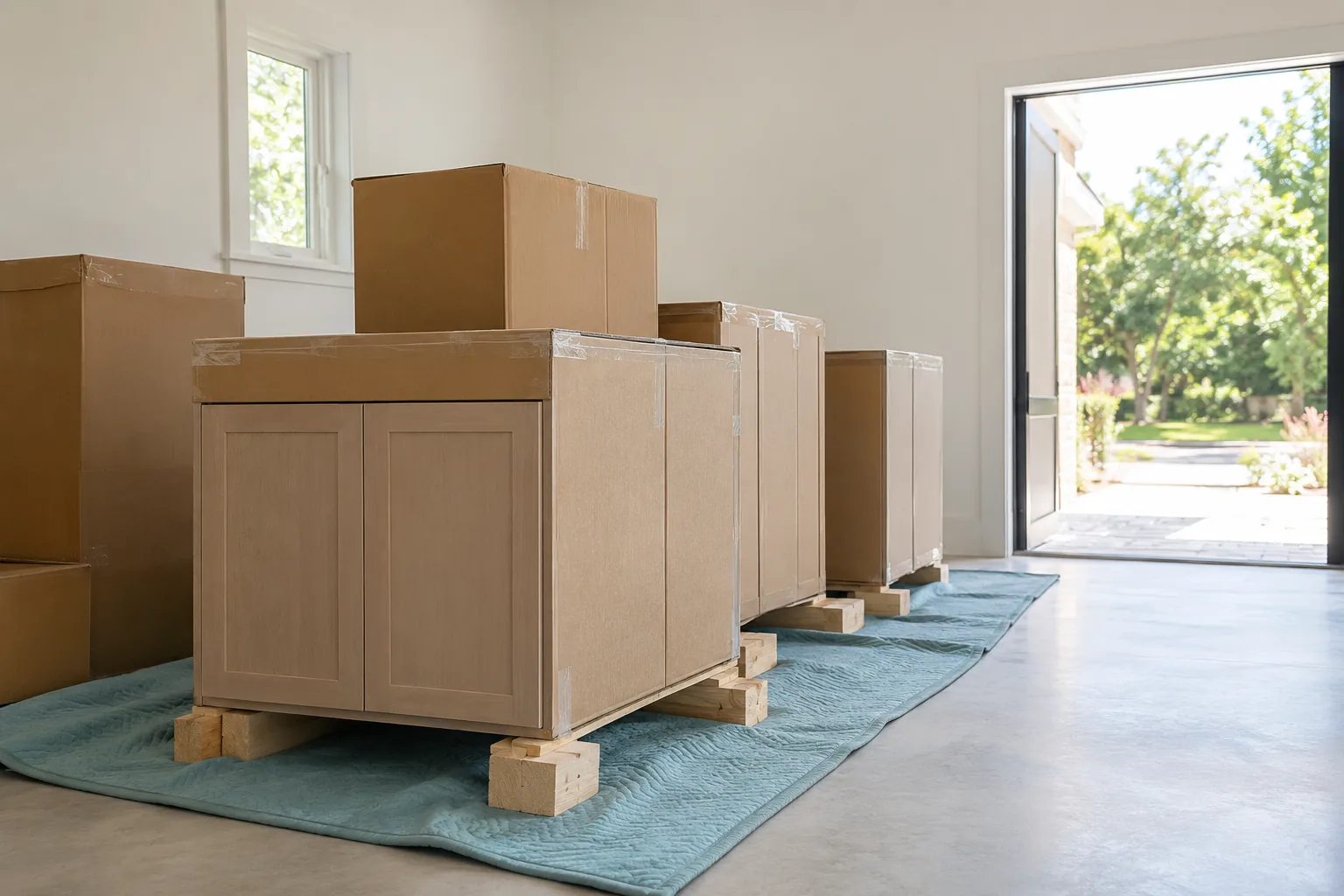
A cabinet inquiry around Prince Frederick needs a precise property record as well as a place name. Calvert Cabinet Field uses its locality guides to help buyers separate town-center planning context, room details and commercial purchasing questions. Identify the project address first, then choose the source or person that can answer the particular decision you need to make.
- Independent buying guidance
- Product inquiries
- Seller availability confirmed separately
Project location changes the buying questions
Dunkirk, Lusby and Solomons have distinct county town-center records, which support different questions below. A guide listing is not seller coverage. Submitted form details remain a record for the site owner to review, without automatic seller forwarding or a guaranteed response. Treat the local sources as context and obtain the actual property and purchase terms independently.
About Calvert Cabinet Field
Know who handles each part
Independent cabinet buying information and quote-request service. We do not manufacture, stock or install cabinets. A referral, supplier response, appointment or purchase is not guaranteed. Product availability, delivery and installation must be confirmed directly with the seller or separately engaged contractor.
Keep property, room and order records distinct
Your property record identifies the actual address and any jurisdiction or approval question that matters to the project. Your room record describes measured conditions, retained items and the intended cabinet arrangement. Your order record describes the goods and seller terms. These records connect to one another, but one cannot silently supply information missing from another.
Use a clear project reference on drawings and product lists. Include a room or unit identifier if the address covers more than one space. Keep the buyer's correspondence address separate from the project address, and identify another receiving destination explicitly if you propose one.
In a hypothetical purchase for two properties, a buyer might use one contact address while preparing separate kitchen schedules. Each actual project needs its own address and room record. A seller proposal should identify the destination and document version it evaluated. The locality name helps orient the request, but these concrete details let the responsible people understand which property, products and terms are being discussed.
Dunkirk: distinguish adopted plan context from an address decision
The Dunkirk guide uses Calvert County's 2026 ordinance index. The index records Ordinance 39-26 adopting Master Plan of Town Centers chapters for town centers generally, Prince Frederick and Dunkirk. The verified observation concerns adoption of those chapters.
The practical buying inference is to identify the actual address before treating a plan reference as relevant to an individual project. Plan adoption does not itself classify the property or establish a cabinet rule. If the wider project raises a property question, ask the appropriate authority or professional about the exact address and scope.
For your product request, say which room conditions are already fixed and which depend on other decisions. A hypothetical kitchen purchase might rely on a proposed change to the room arrangement. Mark the affected dimensions as provisional and name the party responsible for confirming them. Keep the cabinet specification separate from the planning question so a seller can understand what goods are being requested without being asked to approve the property project.

Lusby: choose the document type that matches the question
Calvert County publishes separate master-plan, zoning and map materials for Lusby Town Center. The Lusby guide uses this narrow official observation to distinguish the source types a buyer may encounter. The documents are not interchangeable records merely because they appear under one locality heading.
The practical buying inference is to state the question and identify which kind of source or authority is relevant. A locality map question and a product fit question require different information. If you do not know which record applies to a property issue, ask for help identifying it rather than treating a planning page as a complete approval answer.
For a cabinet comparison, use the room measurements, unit list and product documentation. If a related property decision remains open, record its effect on the purchase as an unresolved condition. A hypothetical buyer may be ready to compare finishes while still verifying a room alteration. That is a useful status to state clearly; the finish preference should not obscure the dimension that remains dependent on the other decision.
Solomons: separate design context from commercial scope
The county's Solomons page separately lists a master plan, zoning ordinance, zoning map and architectural design manual. This is the verified local observation used in the Solomons guide. The separate listings give buyers a reason to identify which document they mean when asking a property-related question.
The practical buying inference is to locate the actual address and relevant document first, while keeping cabinet specifications, receiving and installation responsibilities in their own purchasing record. A reference to a design manual does not establish that a particular cabinet finish or interior arrangement is required for your address.
If a buyer is considering an aesthetic change, record that preference as a product choice until the relevant property question has been checked. Ask the actual seller about the proposed line, finish and sample process. Ask the responsible professional about any condition affecting the room. The local source can frame the right question without becoming a claim that all properties share a style, construction type or approval requirement.
Turn destination questions into practical receiving information
Identify where the products would arrive and who can receive them. Ask the seller to confirm whether it accepts that destination and what handoff it offers. Do not substitute a guide's locality listing for that actual commercial decision.
Request package dimensions, counts and applicable handling instructions for the selected products. Have the responsible people assess the real route and storage location. Record observed conditions and mark missing measurements unknown. No town-center document establishes that packages will fit an entrance or that a receiving person will be available.
A hypothetical buyer might propose a storage address separate from the kitchen property. Label both and identify who would handle the later movement. Ask for terms based on the intended handoff, then recheck them if the destination changes. Keep the accepted order and seller discrepancy instructions available to the receiver. Locality context explains where a request begins; a prepared person and actual documents make the handoff understandable.
Compare location related price against the same goods
Use one cabinet schedule when comparing proposals for a particular project. Quantities, box configurations, finish, panels and accessories define the goods. Freight, pickup, carrying, assembly and storage define additional responsibilities or charges where relevant. External installation or other labor needs its own stated provider scope.
Ask which address and handoff a freight charge covers. If a proposal uses a different destination or receiving arrangement, record that difference before comparing the total. Missing charges are questions to resolve rather than savings you can assume. A locality name alone does not define the complete offered arrangement.
The FTC recommends written home improvement estimates describing scope, materials and price, which helps when comparing separately engaged work. Product proposals deserve the same careful reading of inclusions. Preliminary estimates are subject to change, and the final written quote should establish the price and included goods or work. Keep property verification, product comparison and commercial commitments distinct so the final decision is based on actual answers rather than broad assumptions about a place.
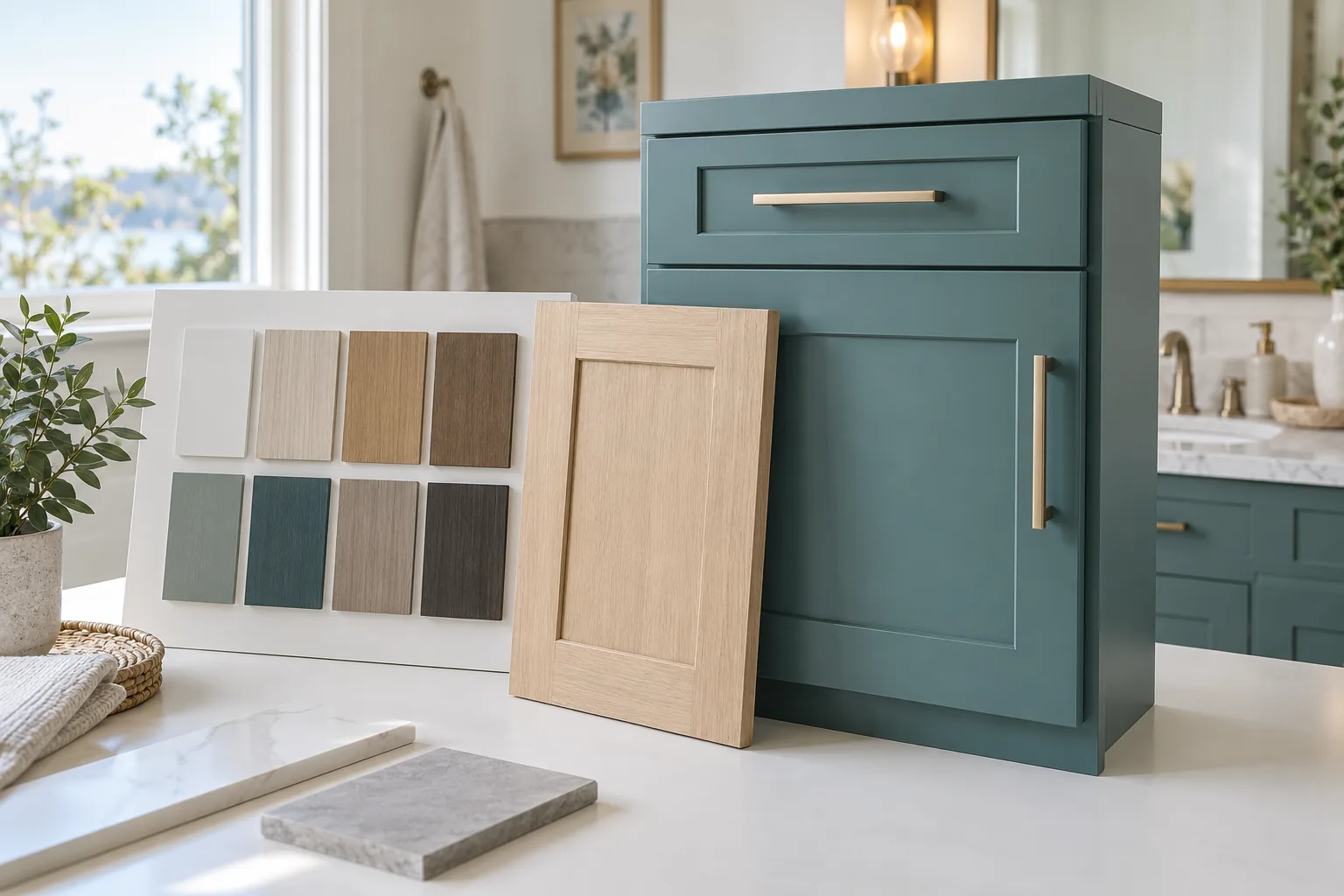
Illustrative product choices
Illustrative product visualizations, not completed work, local properties or supplier facilities.
Questions
Coverage questions
Does a listed locality establish delivery coverage?
No. The listing identifies local guide material and its source context. Ask the actual seller to confirm order acceptance, destination and offered handoff. Those commercial terms require a specific proposal rather than a conclusion drawn from a planning record.
Why identify a document type for a local question?
The county pages list different materials serving different subjects. State the question, exact address and document you are referring to, or ask the appropriate authority which source applies. A cabinet fit question needs room and product information instead of a general plan reference.
Can a separate storage address be part of my inquiry?
Yes, label it separately from the project and correspondence addresses. Identify the receiver and who would handle subsequent movement. The seller must assess its actual offered destination and terms; the proposed arrangement is not an established service until confirmed.
What does a town-center record tell me about my kitchen?
Only its stated local context is supported here. It does not verify your room dimensions, product compatibility or individual approval requirements. Gather room inputs and obtain property-specific answers from their responsible sources before treating the proposed cabinet schedule as ready to order.
Talk to us about your project
Describe the purchase and project ZIP in Prince Frederick. Supplier acceptance and any referral are confirmed separately; no visit or quote is booked by this form.
Calls only, we do not receive text messages.