
Cabinet Buying Plan in Prince Frederick
Describe the change you want before narrowing your cabinet product list.
Send my cabinet inquiry
Or call (562) 203-3232. Calls only, we do not receive text messages.
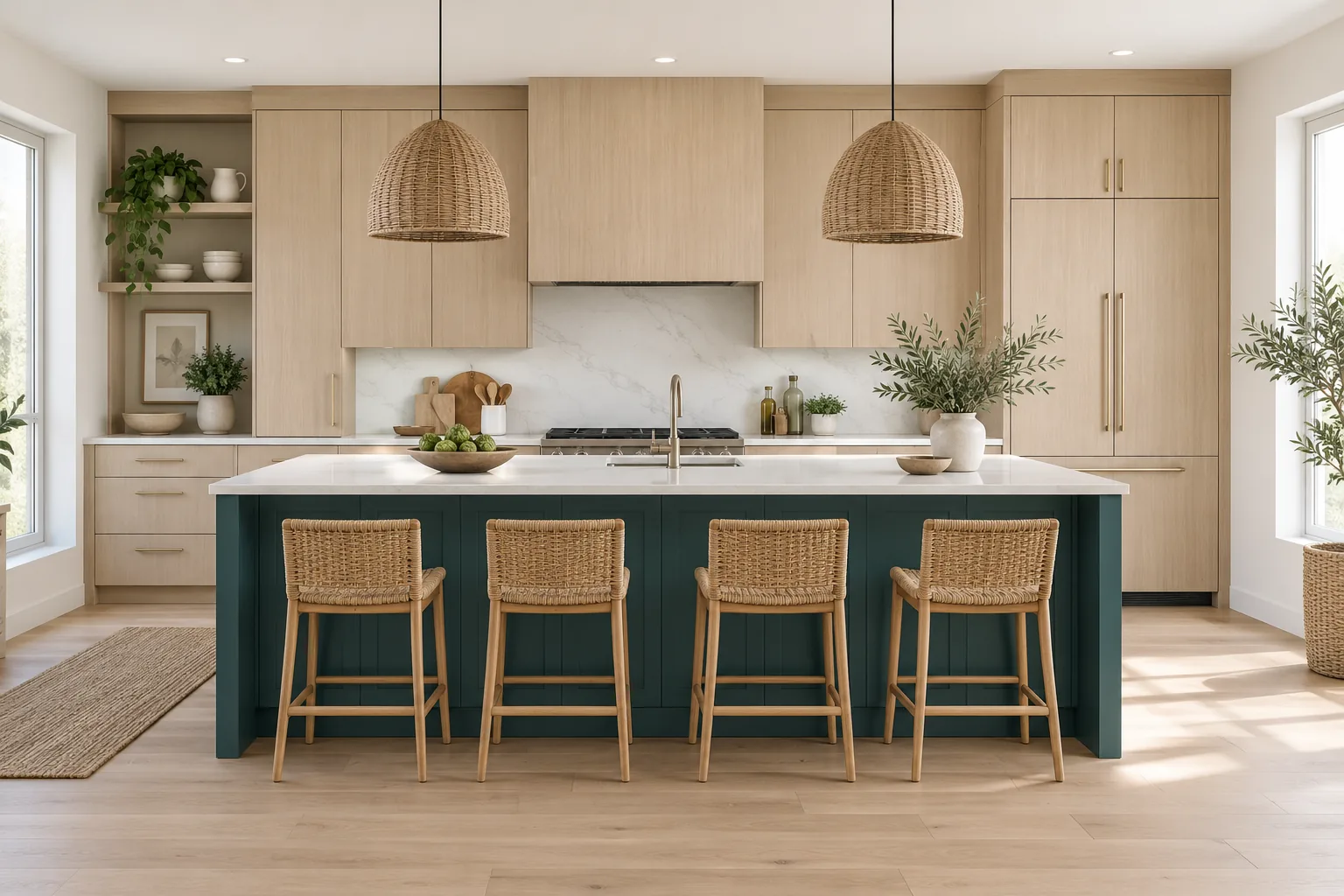
Before choosing cabinets in Prince Frederick, MD, decide what you want the purchase to change. Calvert Cabinet Field is an independent buying information and project inquiry site. This guide helps you move from a room idea to an understandable product request, with a clear distinction between your priorities, the goods being considered and the property details that still need checking.
- Independent buying guidance
- Product inquiries
- Seller availability confirmed separately
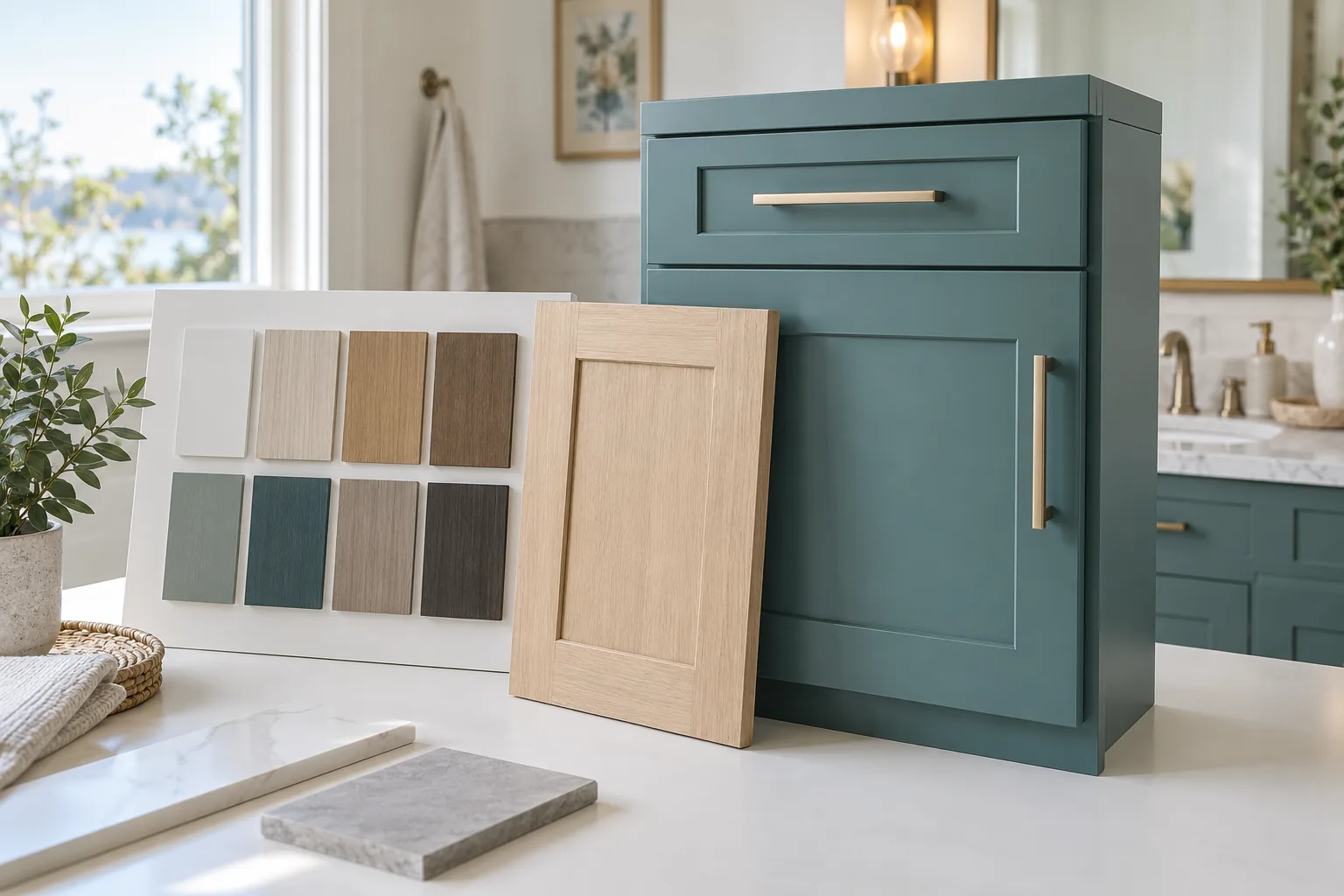
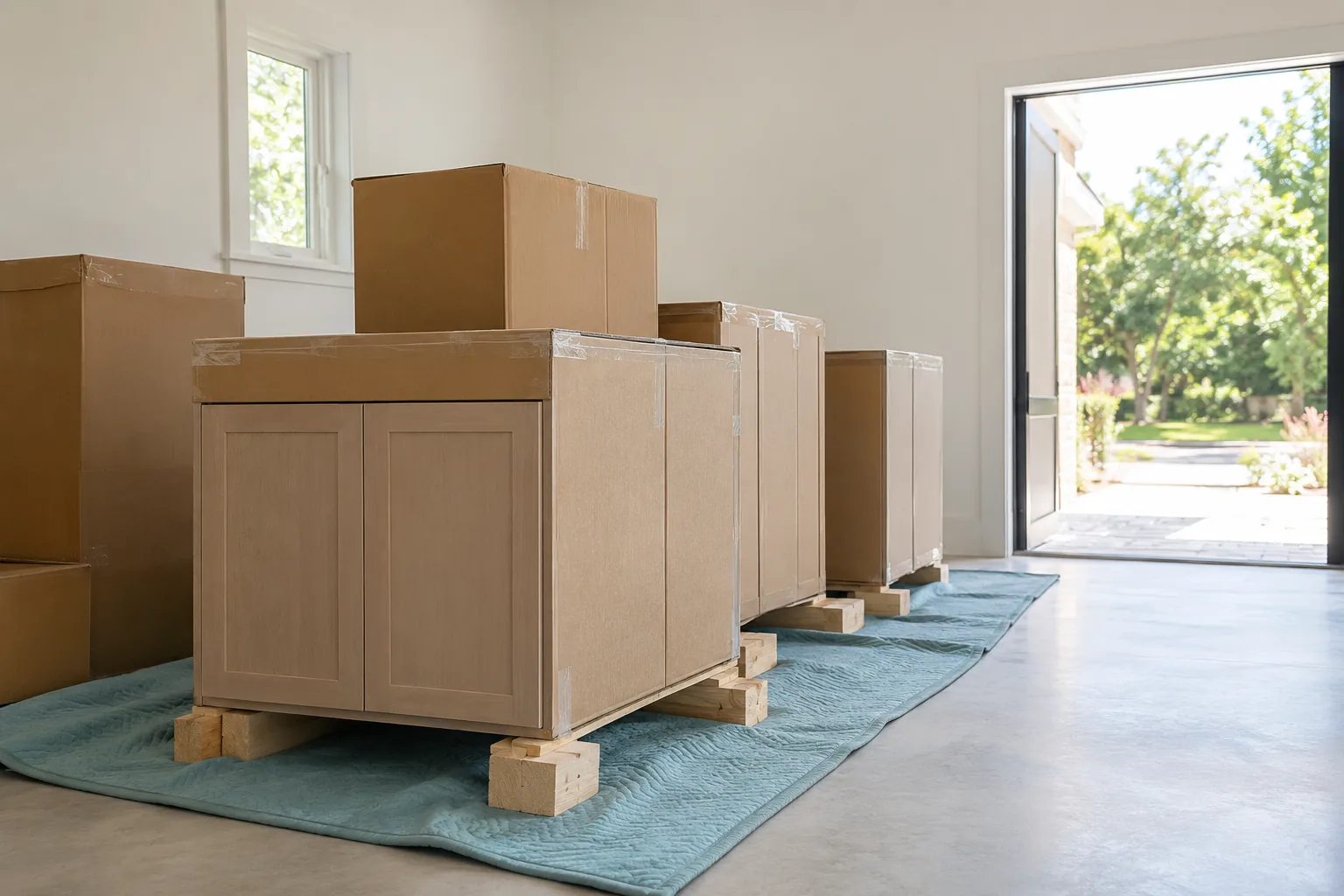
Cabinet product illustrations
Illustrative product visualizations, not completed work, local properties or supplier facilities.
Prepare the purchase before choosing a supplier
You do not need an approved order list to ask an early question. State the decision you are trying to make and label the missing information. Submitted form details are recorded for the site owner to review, without automatic forwarding to sellers or a guaranteed response. Actual products, final measurements and purchasing terms must be confirmed before you commit.
About Calvert Cabinet Field
Know who handles each part
Independent cabinet buying information and quote-request service. We do not manufacture, stock or install cabinets. A referral, supplier response, appointment or purchase is not guaranteed. Product availability, delivery and installation must be confirmed directly with the seller or separately engaged contractor.
Write the change you want before naming products
A useful beginning is a sentence about how the room should work. You might want more accessible storage, a different pantry arrangement or replacement products for an existing layout. These are different purchasing goals. Identify the one that matters most so later alternatives can be judged against a purpose rather than appearance alone.
Separate essential requirements from preferences. Retaining an appliance may be essential; a particular door profile may be flexible. Record both, but say which can change. That gives a prospective seller or separately engaged professional a way to explain an alternative without guessing what you would sacrifice.
Consider a hypothetical buyer who wants a tall pantry instead of scattered wall storage. The storage goal is clear, but a pantry is not yet an approved product selection. The room, neighboring openings, available line sizes and intended contents still need review. Write the desired function first, then collect the inputs that would let someone evaluate the option. Keep inspiration images labeled as preferences rather than evidence that the same arrangement fits your room.
Turn the idea into a provisional product outline
List the cabinet types you expect to need and give each a location reference. Record quantities, known dimensions, door or drawer configuration and finish direction. Use provisional labels for unverified sizes. A first outline can be incomplete as long as its gaps are visible.
Add related pieces to the question list: exposed ends, fillers, finished panels, toe kicks, trim and interior accessories. Ask how the selected line would address them once a layout is reviewed. Do not leave them invisible merely because they are less prominent than the cabinet boxes in a photograph.
For the hypothetical pantry purchase, show the intended pantry location and identify any units being removed or retained. If one alternative replaces the entire wall run while another adds only the tall unit, maintain two separate outlines. Their totals would represent different goods. A product outline helps you understand that difference early and makes the next question concrete: which arrangement best serves the storage goal under the checked room conditions?
Collect the room inputs that support the next decision
The IKEA US planning guide in the supplied source bank asks buyers to bring room measurements and dimensions of retained appliances. Gather those inputs and identify their sources. A number copied from an old plan, a measurement taken today and a rough estimate are not equivalent records.
Show doors, windows, observed utilities and retained features on a labeled sketch. Add photographs to explain their relationships while keeping measurements separately stated. If the room will change, distinguish the current condition from the intended one. The proposed pantry should not be priced as an approved fit merely because a sketch reserves space for it.
Identify who will check final measurements and product compatibility before ordering. This site does not supply a measuring visit or certify a layout. Ask the actual seller and any separately engaged professional what each reviews, what information it needs and who approves the final schedule. Record those responsibilities rather than allowing one party's assumption to become another party's unspoken obligation.
Use Prince Frederick context as a source question
Calvert County's 2026 ordinance index records Ordinance 39-26 adopting Master Plan of Town Centers chapters for town centers generally, Prince Frederick and Dunkirk. This is a narrow official observation from the site's research. It provides community planning context without classifying your individual property or cabinet purchase.
The practical buying inference is to identify the actual project address and ask the right property-specific question when one matters. Plan adoption is not a substitute for confirming which record applies to an address, nor does it establish a cabinet permit conclusion. Keep those property questions separate from the list of goods you want to compare.
In your project notes, distinguish correspondence address, room address and any separate receiving destination. A place name can orient a conversation, but the actual destination is what a seller must evaluate for its offered terms. No planning record establishes seller coverage, product availability or the condition of an entrance. Obtain those facts from the parties responsible for the proposed purchase and property.
Build a cost comparison from included goods and work
Ask for proposals that identify cabinet quantities, box configurations, finish, related panels and accessories. Read those goods before comparing the product total. A pantry alternative with different storage features or replacement scope may deserve consideration, but it should remain a named alternative rather than be treated as identical.
Keep freight, pickup, carrying, assembly and storage separate where applicable. External labor for removal, installation or other trades needs its own provider agreement. If any extra work is offered by a seller, its actual description should establish what it includes. A product quote should not silently become the budget for the entire room project.
The FTC recommends multiple written home improvement estimates identifying scope, materials and price. Use that habit for separately engaged work and carefully reconcile product inclusions as well. Preliminary estimates are subject to change; the final written quote should establish the offered price and scope. Mark missing figures unknown until clarified. That is more accurate than counting an omitted charge as included or assuming every proposal shares the same receiving arrangement.
Send a focused inquiry and preserve its assumptions
Your first request can state the room, actual project address, desired change and present decision stage. Add the product outline, known dimensions and the main uncertainties. Describe retained appliances and any other work that affects the room. A concise explanation of the next decision is more useful than a long message that treats every tentative choice as final.
Keep a dated copy of the request and identify any attached drawing or list by version. When a pantry option changes, revise the affected units and note why. Ask later proposals to refer to the current version, so a scope change is not mistaken for a price change on the same goods.
Before approving a purchase, reconcile the final product schedule, checked dimensions, receiving address and actual written terms. Ask the seller about substitutions and discrepancy procedures that apply to its order. The inquiry can establish a useful starting record, but the accepted purchasing documents establish the seller's commitments. Keep the next unresolved question visible until the responsible party has answered it.
Inquiry process
From buying questions to a possible supplier quote
Sending an inquiry does not reserve products or book work.
Describe the purchase
Include project ZIP, room, approximate cabinet list and preferred timing.
Clarify requirements
Identify assembly, access, measurements and any separately arranged labor.
Confirm referral availability
An inquiry can be referred only if a suitable seller accepts the location and product request.
Review seller terms
Confirm the final drawing, itemized price, payment, delivery and return terms directly before ordering.
Questions
Questions Prince Frederick homeowners ask
Can I inquire before choosing a cabinet line?
Yes. Explain the room, intended storage change and known inputs, and identify which decisions remain open. A product-neutral outline can help frame the question. Do not represent tentative dimensions or inspiration images as an approved order specification.
Does the town-center plan decide whether my cabinet project is allowed?
The cited county index records a plan adoption, not an individual project decision. Confirm any address-specific property or approval question with the appropriate authority or professional. Keep that question separate from the cabinet product list.
What if two proposals replace different parts of the room?
Treat them as different scopes and identify the changed quantities and related pieces. You may compare their benefits, but reconcile the intended goods before interpreting their totals as prices for the same purchase.
Who supplies the final measurements?
Assign that responsibility under the actual arrangements with your seller and any separately engaged professional. Ask who checks the room, reviews compatibility and approves the final schedule. This website collects an inquiry and does not conduct field measurements or certify fit.
Send my cabinet inquiry
Or call (562) 203-3232. Calls only, we do not receive text messages.
Talk to us about your project
Describe the purchase and project ZIP in Prince Frederick. Supplier acceptance and any referral are confirmed separately; no visit or quote is booked by this form.
Calls only, we do not receive text messages.