
Dunkirk · Solomons
Lusby Cabinet Quote Preparation in Lusby
Bring your project details together before considering a cabinet purchase.
Send my cabinet inquiry
Or call (562) 203-3232. Calls only, we do not receive text messages.
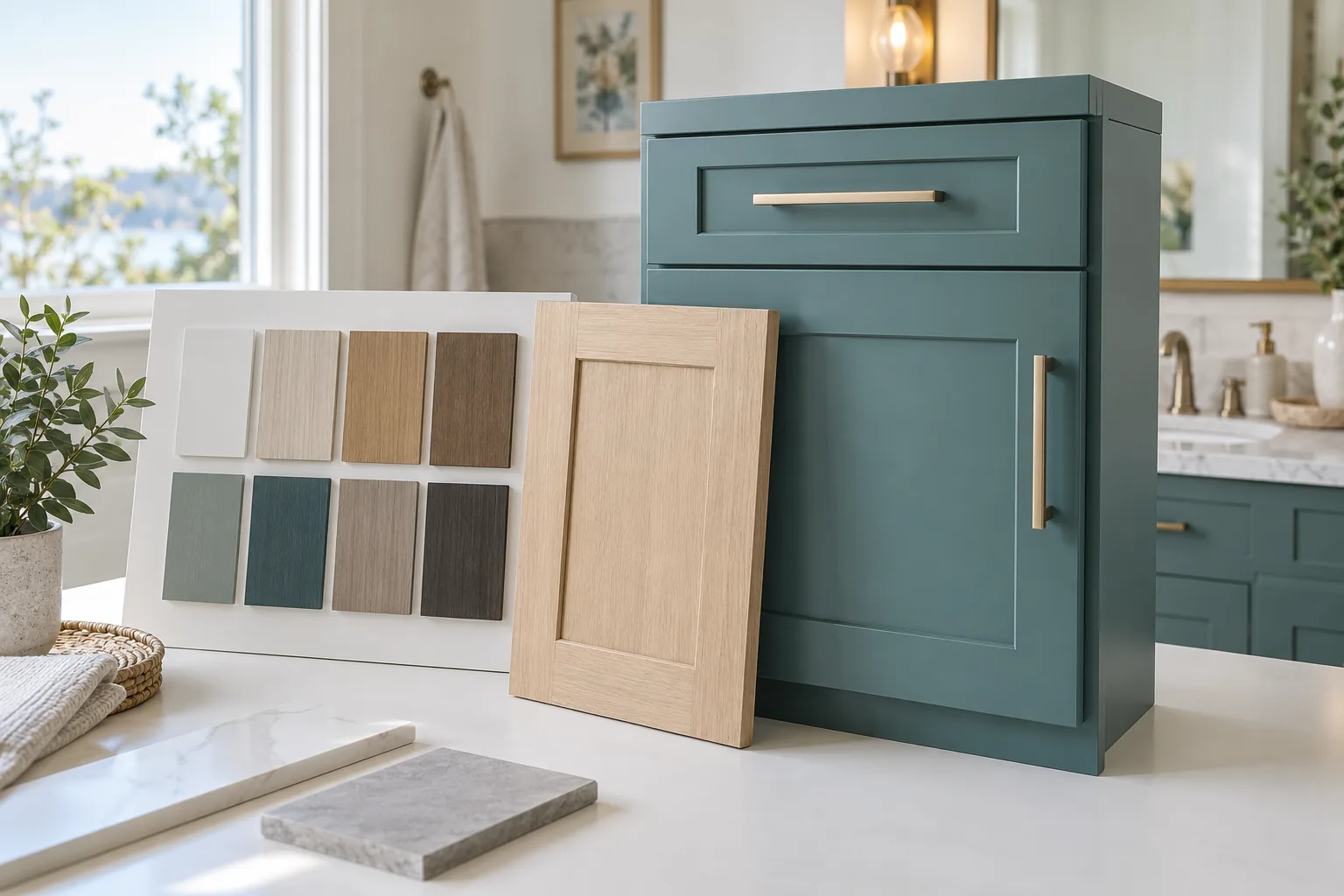
A cabinet inquiry for Lusby can become clearer when each question is paired with the information that could answer it. Calvert Cabinet Field provides independent buying guidance for that preparation. A property record, room measurement and product description serve different purposes, even when they appear together in a project folder. Use them deliberately before comparing the proposed goods.
- Independent buying guidance
- Product inquiries
- Seller availability confirmed separately
Cabinet purchase preparation in Lusby
The county's separate Lusby Town Center materials provide narrow local context for choosing source types. The site owner receives a record of your form details for review. The form does not automatically forward them to sellers or guarantee a response. This guide helps organize the record, while actual property conclusions, final fit and seller commitments remain the responsibility of their appropriate parties.
About Calvert Cabinet Field
Know who handles each part
Independent cabinet buying information and quote-request service. We do not manufacture, stock or install cabinets. A referral, supplier response, appointment or purchase is not guaranteed. Product availability, delivery and installation must be confirmed directly with the seller or separately engaged contractor.
Match the local source type to the property question
Calvert County publishes separate Lusby Town Center master-plan, zoning and map materials on its official site. This is the verified observation in the supplied local research. It establishes separate source categories rather than a single document answering every question.
The practical buying inference is to identify the exact address and the subject of your question before relying on a source. If you need an address-specific property answer, ask the appropriate authority or professional which document or record applies. The listed materials do not establish a universal cabinet rule or a seller territory.
Make that distinction useful in your notes: property question, relevant source or contact, current status and effect on the purchase if any. A cabinetry product question belongs elsewhere, with room and manufacturer information. This approach keeps local context positive and practical. The community page points you toward named materials, while your actual project determines which question needs an answer. Do not expect a source to provide information outside its stated purpose.
Create a checked room record for the intended purchase
Label the room walls and show openings, observed utilities and retained features. Record dimensions with their source and date. The IKEA US planning guide supports gathering room measurements and retained appliance dimensions, useful inputs for a cabinet discussion.
Identify uncertain or older numbers instead of treating them as current merely because they appear in a drawing. Add photographs that help explain relationships while keeping measurements separately stated. A property map cannot replace this room information.
Consider a hypothetical Lusby buyer replacing the existing cabinets while keeping the appliance arrangement. The room record should identify those retained appliances and the present configuration, not assume an unchanged arrangement removes every fit question. Doors, drawers and selected units still need review against actual product information. This site does not field measure or certify fit. Assign the final measurement and compatibility checks before approving an order and record which inputs the responsible parties rely on.

Define the replacement scope without hiding retained pieces
List the cabinet units to be purchased and identify anything retained. Record quantities, types, configurations, known sizes and finish preferences. Add panels, fillers, trim and accessories as explicit pieces or questions. A room photograph should not be the only description of the intended goods.
For the hypothetical replacement, the buyer may retain an appliance panel or another existing piece. Mark it clearly and say whether the new products must match it or merely coordinate. Ask the actual seller what it offers rather than assuming a general color name establishes a finish match.
If you decide to compare a wider replacement scope, give it a separate list. More new pieces can change both quantities and the matching question. The comparison should show the benefit and tradeoff of each alternative, not merely which total is smaller. A defined scope makes a seller proposal readable and gives you a way to identify when an omitted piece or retained-item assumption changes what is being priced.
Request evidence for the actual products under consideration
Ask for the named line, door style, finish, product codes and relevant construction information. Connect those descriptions to your unit references. A broad promotional phrase or similar appearance does not establish that two proposals contain equivalent products.
If certification matters, ask for documentation that applies to the proposed line. The KCMA source identifies ANSI/KCMA A161.1 as a kitchen and vanity cabinet performance/construction standard. Its existence is not evidence that an unknown product or this website is certified.
Keep product documentation separate from property documents. One answers what the seller proposes; another may help with a particular address question. The room measurements connect the proposed goods to the actual arrangement. In the hypothetical replacement, a selected drawer configuration might change an opening relationship despite retaining appliance locations. Raise that specific fit question for review rather than expecting a certification reference or unchanged layout label to settle it.
Compare price with consistent product and receiving assumptions
Read the quantities and cabinet box configurations, then finish, panels and accessories. Check whether each proposal covers the replacement scope you intended. A retained-item alternative and a broader replacement proposal answer different questions unless their goods are reconciled.
Show freight, pickup, carrying, assembly and storage separately where applicable. Obtain a defined agreement from each provider performing removal, installation or another external task. Identify which address and handoff a receiving charge uses, and ask for clarification if it differs from your proposed destination.
The FTC recommends written home improvement estimates specifying scope, materials and price, helpful for the outside work comparison. Preliminary estimates can change; require the final written quote to establish the offered price and actual inclusions. Treat absent figures as unknown until clarified. The useful comparison connects each total to named goods, a document version and defined responsibilities, rather than letting local context or a complete-room image supply missing commercial terms.
Prepare one inquiry with a visible question trail
For your initial submission, identify the exact project address, room, intended replacement and present decision stage. Include known inputs and the main uncertainties. If a property question affects the purchase, name its status without asserting a conclusion that has not been obtained.
Give the room sketch and unit list matching revision references. When retained pieces, finish preferences or configuration change, update the affected rows. Ask proposals and reviews to identify the current version they use. Preserve earlier records so a later scope difference can be explained.
Before purchasing, establish the purchaser, final fit approver and receiving contact. Obtain actual seller acceptance, written scope and discrepancy/change terms. Check that the approved room inputs, accepted product list and quote describe the same purchase. A clear Lusby inquiry joins the right source to each question and leaves unresolved subjects visible. It does not require every answer at the beginning, but it should prevent a property record, product document or preliminary total from being mistaken for an answer it cannot provide.
Inquiry process
From buying questions to a possible supplier quote
Sending an inquiry does not reserve products or book work.
Describe the purchase
Include project ZIP, room, approximate cabinet list and preferred timing.
Clarify requirements
Identify assembly, access, measurements and any separately arranged labor.
Confirm referral availability
An inquiry can be referred only if a suitable seller accepts the location and product request.
Review seller terms
Confirm the final drawing, itemized price, payment, delivery and return terms directly before ordering.
Illustrative product choices
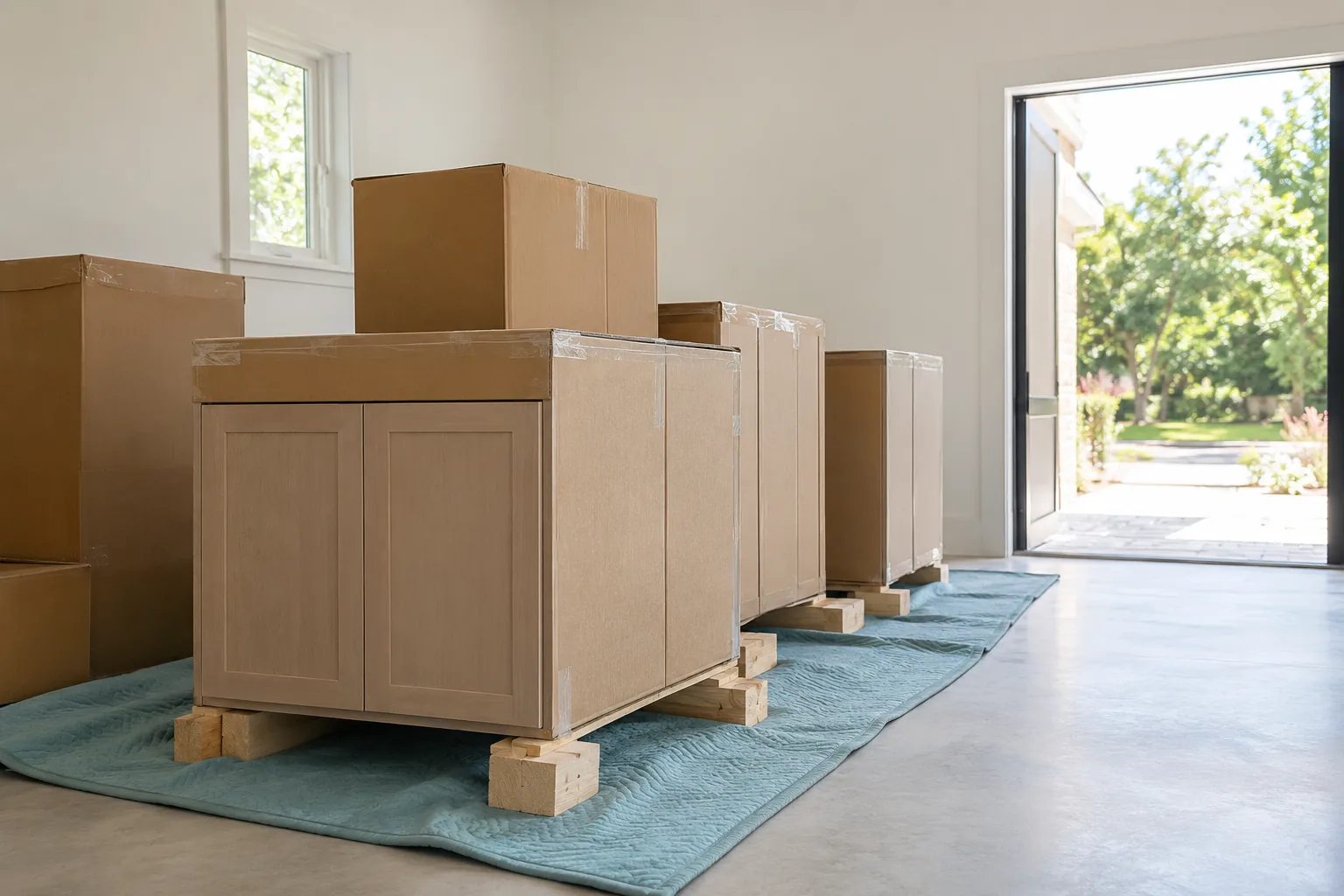
Illustrative product visualizations, not completed work, local properties or supplier facilities.
Questions
Lusby Questions
Why do the separate Lusby documents matter to a cabinet inquiry?
They show that local source types serve different subjects. Identify the exact address and question before relying on one, or ask the appropriate authority which source applies. Room fit and product choices still need their own measurements and documentation.
Does keeping my appliance arrangement remove the need to check fit?
No. The actual appliances, new configurations and opening relationships need their assigned review. Record retained models and checked room inputs. An unchanged layout intention should not be treated as approval of every new product size or door/drawer operation.
How should a finish-matching requirement be stated?
Identify the retained piece and say whether exact matching is essential or a coordinated alternative is acceptable. Ask for the actual offered finish information and any sample confirmation. A color name or screen image does not establish a match.
What should I verify before accepting the final quote?
Match it to the approved room inputs and current product list, confirm the receiving arrangement and identify actual seller terms. Make sure the responsible parties have resolved final fit and order approval. A proposal from an older version needs reconciliation first.
Talk to us about your project in Lusby
Describe the purchase and project ZIP in Prince Frederick. Supplier acceptance and any referral are confirmed separately; no visit or quote is booked by this form.
Calls only, we do not receive text messages.